

A Quick Guide to Key Protein Terms for Food Science Students
Welcome to the world of proteins, one of the most important nutrients your body needs! Whether you’re trying to build muscle, bake the perfect cake, or just stay healthy, understanding how proteins work (and what they do in food) is a must for any Food Science student.
Here’s your go-to guide to help you complete your protein matching activity or review for class.
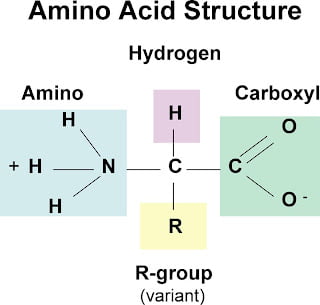
Amino Acids
Think of amino acids like LEGO bricks. They’re the tiny building blocks that link together to form proteins. Your body uses 20 different amino acids — and 9 of them are essential, meaning you need to get them from food.
Complete Protein
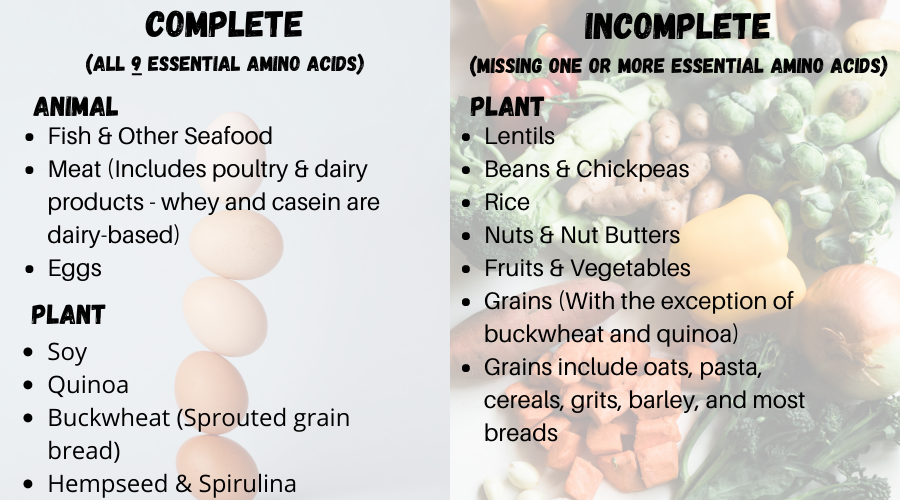
A complete protein has all 9 essential amino acids.
Examples: Meat, fish, eggs, dairy, quinoa, soy
Incomplete Protein
An incomplete protein is missing one or more essential amino acids.
Examples: Beans, rice, nuts, peanut butter (but combine them, and they become complete!)
Denaturation
This is a technical term meaning that a protein changes shape.
It happens when proteins are exposed to heat, acid, or physical force — like cooking an egg, adding lemon juice, or whisking. Once denatured, the protein will not revert to its original form.
Coagulation
After a protein is denatured, it can coagulate — or turn from a liquid into a solid.
Example: Scrambled eggs, custard, cheese
Mechanical Denaturation
This happens when proteins are physically changed — like when you whisk egg whites into a fluffy foam. You’re literally unfolding the proteins and trapping air inside.
Enzymes
These are specialized proteins that act like small machines in the body. They help accelerate chemical reactions — such as digestion — without being consumed themselves.
Heat Denaturation
Cooking = denaturation in action.
Example: When a raw egg turns white and firm in the frying pan, that’s protein denaturation from heat.
Protein Sources
You can find protein in both animal and plant-based foods:
-
Animal: chicken, beef, fish, milk, cheese, eggs
-
Plant: beans, tofu, nuts, lentils, whole grains
Protein Functions
Why do we even need protein? Here’s what it does:
-
Builds and repairs muscle and body tissue
-
Makes enzymes and hormones
-
Helps fight illness (immune system)
-
Supports healthy skin, hair, and nails

Final Tips:
-
Cooking changes protein — it’s why eggs go from runny to firm.
-
Not all protein is equal — complete proteins give your body everything it needs.
-
Protein isn’t just for athletes — it’s vital for everyone.