

The Types of Microbes That Affect Food
Microbes are tiny living organisms that are too small to see without a microscope. Even though they are tiny, they have a huge impact on food. Some microbes help make foods like bread, yogurt, and cheese. Others can spoil food or make people sick. In food science, learning the different types of microbes helps us understand how food changes and how to keep it safe.
1. Bacteria
Bacteria are the most important microbes in food science. They are single-celled organisms that can grow very quickly when conditions are right. Some bacteria are helpful, and others are harmful.
Helpful bacteria are used to make foods:
-
Lactobacillus helps turn milk into yogurt and cheese.
-
Some bacteria contribute to the fermentation of pickles and sauerkraut.
Harmful bacteria can cause food poisoning:
-
Salmonella is found on raw poultry and eggs.
-
E. coli can be found in contaminated water, raw meat, and unwashed produce.
-
Listeria can grow in refrigerated foods like deli meats and soft cheeses.
Bacteria grow best when food is warm, moist, and left out too long.
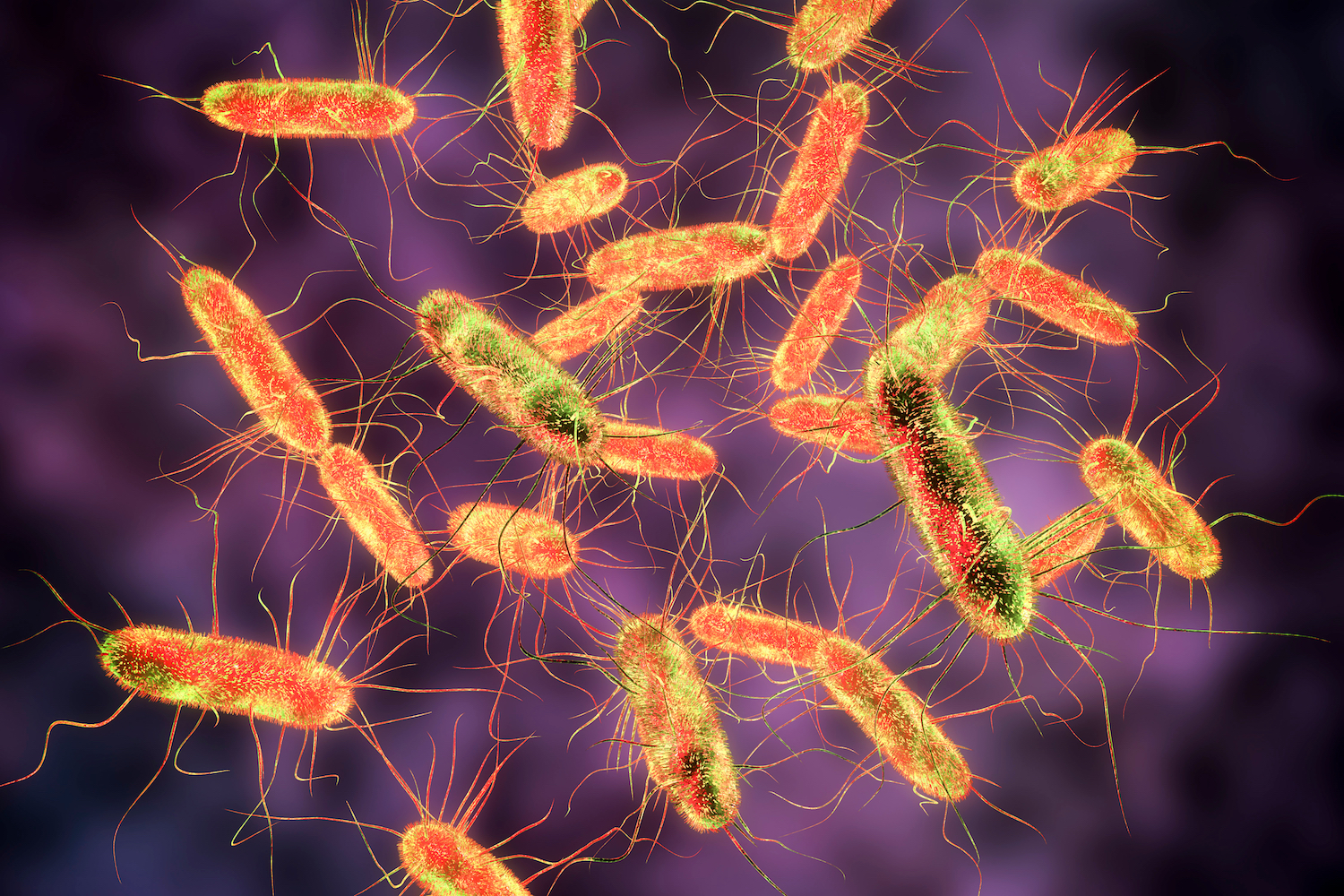
Salmonella
Salmonella is a bacterial species commonly found in raw chicken, eggs, and meat. It does not change how food looks or smells, but it can cause food poisoning with symptoms like stomach cramps, fever, and diarrhea.
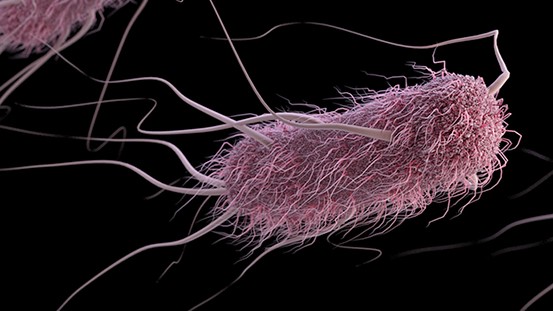
E. coli
E. coli is a type of bacteria that lives in the intestines of people and animals. Some types are harmless, but dangerous strains can contaminate food or water and cause severe stomach illness.
Listeria
Listeria is a bacterium that can grow in cold temperatures, even inside a refrigerator. It is often found in deli meats, soft cheeses, and unpasteurized foods and can be especially dangerous for pregnant people and older adults.
Norovirus
Norovirus is a virus that causes stomach illness and spreads easily through unwashed hands or contaminated food. It is a common cause of foodborne illness in schools, restaurants, and cruise ships.
Staphylococcus aureus
Staphylococcus aureus is a bacterium found on human skin and in the nose. It can enter food when people do not wash their hands, and it produces toxins that can cause foodborne illness.
Campylobacter
Campylobacter is a bacterium often found in raw or undercooked poultry. It can cause diarrhea, fever, and stomach cramps and is one of the most common causes of foodborne illness.

Clostridium botulinum
Clostridium botulinum is a bacteria that produces a dangerous toxin in foods that are not stored properly, especially canned foods. This toxin causes botulism, a serious illness that can affect breathing and muscles.